
Strengthening GECA's Global Vision: Chris Lustrino Joins as Strategic Advisor
KingsCrowd's Founder Brings Data-Driven Expertise to Advance Borderless Equity Crowdfunding
The Global Equity Crowdfunding Alliance (GECA) is proud to announce that Chris Lustrino, Founder and CEO of KingsCrowd, has joined our steering committee as a strategic advisor. This appointment marks another significant milestone in GECA's mission to create a truly connected, transparent global investment ecosystem.
A Distinguished Career in Financial Innovation
Chris Lustrino brings a unique combination of institutional finance expertise and entrepreneurial vision to GECA's steering committee. His career journey from traditional private equity to pioneering equity crowdfunding analytics reflects the evolution of modern capital markets.
From Private Equity to Crowdfunding Innovation
Before founding KingsCrowd, Chris honed his analytical skills at L.E.K. Consulting from 2014 to 2017, where he conducted due diligence for private equity clients. This institutional background provided him with deep insights into investment evaluation methodologies that would later become foundational to KingsCrowd's rating algorithms.
Following his consulting career, Chris demonstrated his startup acumen by supporting travel-tech company Freebird prior to the company's acquisition by Capital One. This experience bridging traditional and innovative finance sectors positioned him perfectly to understand both sides of the investment equation.
Building the Industry's Data Foundation
Recognizing the data gap in emerging crowdfunding markets, Chris founded KingsCrowd in 2018 with a bold vision: to make private markets "look and feel like the public equity markets" through comprehensive data and analytics. His commitment to transparency and democratized access has driven remarkable results:
- $7 million raised from over 4,00+ investors, demonstrating strong market validation
- 7 acquisitions rolling up the best in class services across consumer, institutional and advisory services in the equity crowdfunding space
- 15 full-time staff building the industry's most comprehensive database
- $2M+ in AUM and nearly 60equity crowdfunding investments out of their innovative Kingscrowd Capital fund division
- 10,000+ companies tracked across Reg CF and Reg A+ markets
- $3+ billion in deals analyzed, providing unprecedented market insights
Media Recognition and Thought Leadership
Chris's expertise extends beyond platform building to industry thought leadership. As founder of Simple.Innovative.Change, a fintech publication focused on alternative investments and lending, he established himself as a respected voice in the space. His analytical reporting and market insights earned him recognition as a finalist for the 2018 LendIt Fintech Journalist of the Year.
Transforming Private Markets Through Data
"Companies are staying private longer, and retail investors are finally gaining access to opportunities that used to be reserved for venture capitalists," Chris explained during a recent industry presentation. "The landscape has shifted, and data is playing a bigger role than ever in helping investors and founders make informed decisions."
Strategic Acquisitions and Market Leadership
Under Chris's leadership, KingsCrowd has achieved remarkable growth, serving tens of thousands of investors as well as hundreds of founders and institutions alike. The company's recent strategic acquisitions of CrowdCheck, the leading legal advisory firm for investment crowdfunding, and Lustro, a premier investor relations platform, demonstrate Chris's vision for comprehensive market infrastructure.
These moves position KingsCrowd to serve the entire lifecycle of equity crowdfunding -from deal structuring and SEC filings to ongoing investor relations - while providing the data backbone that powers informed investment decisions across the ecosystem.
Aligning with GECA's Global Mission
Chris's appointment comes at a crucial time as equity crowdfunding markets mature globally. His expertise in democratizing access to private market investments through data transparency aligns perfectly with GECA's commitment to breaking down barriers in cross-border investment.
"We're building toward a truly borderless investment ecosystem," Chris noted, "and the addition of comprehensive data and analytics strengthens both our reach and our ability to create real-world outcomes for investors and founders worldwide."
Beyond Traditional Venture Capital
Through KingsCrowd's research, Chris has demonstrated that successful equity crowdfunding extends far beyond consumer products or "friends and family" rounds. The platform's data reveals that over 500 companies with revenues between $1 million and $300 million have successfully raised capital through crowdfunding, challenging traditional notions about when and how companies should seek public investment.
"This isn't just about filling gaps between traditional funding rounds," Chris emphasizes. "We're seeing established companies with real traction choosing crowdfunding as a strategic tool for growth, community building, and long-term investor engagement."
A Data-Driven Future
As GECA continues expanding its global footprint, Chris's expertise in quantitative analysis and market intelligence will prove invaluable. His pioneering work in developing proprietary rating algorithms and AI-powered investment tools positions GECA's members to benefit from cutting-edge approaches to deal evaluation and market analysis.
The KingsCrowd Capital fund, which uses data-driven algorithms to invest in highly-rated startups, exemplifies the type of innovation that can accelerate GECA's vision of efficient, transparent global markets.
Looking Forward
With Chris Lustrino and other recent high-profile strategic appointments to our steering committee, GECA is building the intellectual foundation needed to navigate the complex challenges of international regulatory harmonization, cross-border investment facilitation, and market standardization.
"The future of private market investing is digital, data-driven, and global," Chris concluded. "I'm excited to work with GECA's network to ensure that future benefits investors and entrepreneurs everywhere."
As we welcome Chris to our steering committee, we're reminded that the path to borderless equity crowdfunding requires not just regulatory innovation, but also the data infrastructure and analytical tools that enable confident, informed investment decisions across markets and jurisdictions.
The Global Equity Crowdfunding Alliance (GECA) is an international organization dedicated to advancing regulatory harmonization, market development, and best practices in equity crowdfunding worldwide. Learn more at thegeca.org.
Contact: For media inquiries about GECA's steering committee appointments and global initiatives, please contact andrew@thegeca.org
Want to join GECA's mission? Visit here - to learn about membership opportunities for platforms, service providers, and industry stakeholders.
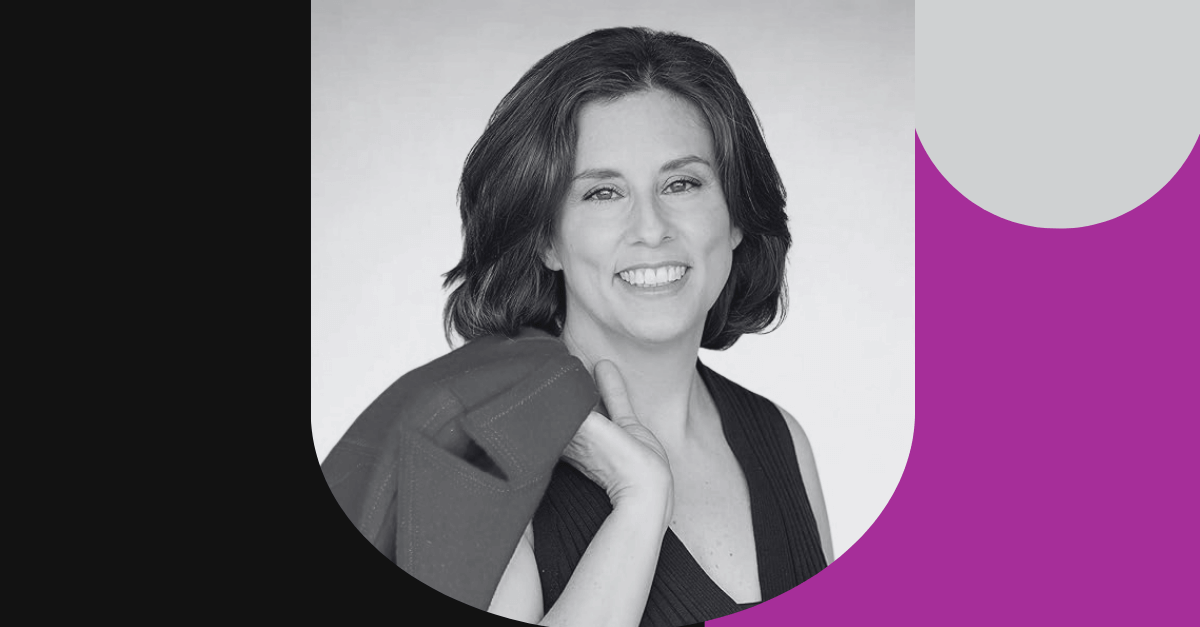
The Capital Revolution: Building a Borderless Future for Crowdfunding
How Jenny Kassan and the global crowdfunding movement are dismantling the barriers that keep innovation capital locked away from the businesses that need it most
In a recent episode of Crowdfunding Chronicles, the GECA Podcast, host Andy Field sat down with Jenny Kassan, President of the Crowdfunding Professional Association, for a wide-ranging discussion about the future of borderless crowdfunding. Their conversation revealed both the enormous progress made in democratizing capital access and the significant barriers that still constrain the industry's transformative potential.
In the gleaming towers of Wall Street, $400 trillion circulates through global financial markets daily. Yet according to Jenny, only 15% of that staggering sum ever reaches the productive businesses that form the backbone of local economies. The rest, she argues, "is just money flying around this global financial casino, not actually doing anything productive."
This stark reality has fueled Jenny's two-decade crusade to democratize capital access - a mission that began in the vibrant commercial streets of Oakland, California, and now finds powerful alignment with the Global Equity Crowdfunding Alliance (GECA) through the CfPA's recent decision to become GECA supporters.
From Legal Theory to Street-Level Reality
Jenny's journey into crowdfunding wasn't paved with Wall Street ambitions. After earning her law degree from Yale, she found herself working with immigrant entrepreneurs in Oakland's low-income neighborhoods - brilliant business owners with compelling stories who couldn't access the capital needed to scale their ventures.
"There was so much money in our global financial ecosystem," she recalls, "and yet so little of that money reaches these businesses. How much better would the world be if these businesses had access to some financial resources?"
That question sparked what would become the legal framework for modern crowdfunding. As co-founder of the Sustainable Economies Law Center, Jenny helped draft the petition that ultimately became the JOBS Act of 2012 - landmark legislation that opened private investment opportunities to everyday Americans for the first time in decades.
The Numbers Tell a Compelling Story
The impact has been substantial. Since Regulation Crowdfunding went live in 2016, over $2 billion has flowed to startups and small businesses through this single exemption alone. Combined with the expanded Regulation A+ framework, the JOBS Act has facilitated more than $10 billion in capital formation for smaller issuers - a testament to the pent-up demand for alternative financing channels.
But these figures represent just the beginning. Recent data from KingsCrowd shows that equity crowdfunding was the only segment of private capital that grew in 2022 (+16% by deal count) while venture capital declined sharply. This resilience during market turbulence suggests crowdfunding has evolved from experimental financing tool to essential infrastructure.
The European Union's 2024 market report reveals similar momentum, with €1 billion raised across 5,782 projects in the first year under the harmonized European Crowdfunding Service Providers Regulation (ECSPR). Notably, 17% of EU crowdfunding funding now crosses borders - early evidence that regulatory harmonization can unlock international capital flows.
Breaking Down the Borders
Yet for all this progress, Jenny sees fundamental limitations in the current patchwork of national regulations. While institutional capital moves freely across borders with a click, individual investors face significant barriers when attempting to invest in businesses they care about internationally.
"If you're a money manager who manages billions of dollars, you don't have to worry about that stuff," she observes. "But those of us who want to invest in smaller businesses... we're totally left out of it."
This asymmetry has profound implications. Consider the estimated 280 million people living outside their countries of birth - diaspora communities with deep knowledge of opportunities in their home markets, yet largely unable to deploy investment capital there due to regulatory fragmentation.
The solution, according to both Jenny and GECA's vision, lies in creating what Andy Field, GECA's Steering Committee lead, calls "borderless crowdfunding" - a system where passionate investors can back meaningful ventures regardless of geographic boundaries. In a recent appearance on the GECA Podcast, Jenny articulated this shared vision with compelling clarity.
The Technology Catalyst
The tools to enable this transformation are already emerging. Blockchain technology promises to standardize compliance through programmable smart contracts that can enforce investor caps and disclosure requirements across jurisdictions automatically. Recent analysis shows the real-world asset tokenization market grew 85% year-over-year in 2023, suggesting institutional appetite for digitized securities.
Artificial intelligence is streamlining the compliance burden that has historically constrained smaller offerings. DealMaker's AI-driven compliance process reduced regulatory timelines by 65% in 2024, while achieving 99% onboarding success rates. Such innovations address one of crowdfunding's persistent challenges: the fixed costs of compliance that can consume 5-12% of funds raised, particularly burdensome for smaller campaigns.
Local Roots, Global Reach
Perhaps counterintuitively, Jenny believes the path to global crowdfunding runs through intensely local initiatives. Her current project, Baltimore Community Commons, aims to create a place-based ecosystem where residents become comfortable investing in their own community first.
"My theory of change is that things really do change when we can be face-to-face with each other," she explains. "It's overwhelming when you think about global change, but I believe it has to be a global movement of local activism."
This philosophy aligns with emerging investment patterns. During the pandemic, crowdfunding campaigns with strong community connections consistently outperformed those targeting purely financial returns. Investors, research shows, are motivated by both potential profits and personal passion for the ventures they support.
Regulatory Evolution and International Cooperation
The regulatory landscape is evolving to accommodate these realities. The EU's ECSPR represents the most ambitious harmonization effort to date, allowing companies to raise up to €5 million across all member states under a single authorization. Early results suggest success: platforms report reduced compliance costs and increased cross-border participation.
Similar momentum is building globally. Canada unified its provincial crowdfunding rules in 2021, Australia has maintained steady growth with A$289 million raised to date, and emerging markets from Malaysia to Nigeria are implementing frameworks designed to channel both domestic and diaspora capital to local entrepreneurs.
In the United States, discussions around "JOBS Act 4.0" could raise Regulation Crowdfunding caps beyond the current $5 million limit and create limited secondary trading exemptions - changes that would enhance liquidity and attract larger check writers.
The Platform Evolution: From Scale to Ecosystem
The platform landscape is evolving rapidly, with major players like Wefunder, StartEngine, and Republic collectively accounting for roughly 80% of US Regulation Crowdfunding volume. These leading platforms have made remarkable strides, transforming from simple marketplace hosts into comprehensive service providers offering integrated legal, marketing, and compliance support. Many have pioneered innovations in secondary trading, tokenization, and investor education that benefit the entire industry.
However, their very success highlights an emerging opportunity. If crowdfunding is truly meant to serve the 99.9% of companies that don't access venture capital, the industry may benefit from a more distributed approach that combines the strengths of established platforms with specialized local expertise.
The fundamental opportunity lies in scalability with specialization. While major platforms excel at standardized processes, regulatory compliance, and investor acquisition, the diverse needs of global entrepreneurs may be best served through complementary ecosystem models. Local and specialized platforms can provide deep domain expertise, community relationships, and cultural understanding that enhance campaign success rates.
Rather than viewing this as competition, the future likely favors collaborative networks where established platforms and emerging specialized providers work together. Major platforms could provide infrastructure, compliance frameworks, and investor pools, while local partners contribute market knowledge, due diligence capabilities, and community engagement.
This distributed model could unlock the true potential Jenny envisions: leveraging the scale and expertise of successful platforms while enabling local specialization and cross-border connectivity. The current market structure exists partly due to regulatory complexity and operational barriers - as these inefficiencies are addressed, we may see new collaborative models that benefit all participants.
The goal isn't to replace successful platforms but to expand the ecosystem in ways that serve more entrepreneurs effectively while creating new opportunities for platform innovation and growth.
Measuring Real-World Impact
Beyond capital formation statistics, early data suggests crowdfunding is delivering on its promise of economic democratization. The SEC's 2024 analysis found that successful Reg CF companies correlated with continued business growth and ability to secure follow-on financing. While only 0.25% have reached IPO and 2.2% have been acquired - expected given the market's youth - survival rates match or exceed those of traditionally funded startups.
More importantly, crowdfunding appears to be reaching underserved entrepreneurs. Women and minority-owned businesses show strong representation in crowdfunding campaigns, often outperforming their participation rates in venture capital. This suggests the "crowd" may be less prone to the unconscious biases that have historically limited access to growth capital.
However, as Jenny notes, significant challenges remain. In the United States, a recent study revealed that 60% of people don't have enough money to afford even basic necessities - highlighting the wealth concentration that limits who can participate as investors. "We are in a time of wealth being concentrated in fewer and fewer hands," she observes, pointing to a fundamental constraint on crowdfunding's reach.
The Road Ahead
Looking forward, industry leaders anticipate several convergent trends that could accelerate the shift toward borderless crowdfunding:
Regulatory Harmonization: Industry associations and advocacy groups are beginning to coordinate efforts across jurisdictions, potentially laying groundwork for future mutual recognition agreements that could allow qualified offerings to access international investor pools seamlessly.
Technological Integration: The convergence of traditional crowdfunding with DeFi protocols and tokenization could create programmable compliance that transcends national boundaries, while AI continues to reduce operational friction. Initiatives like Dacxi Chain are building blockchain infrastructure to connect global crowdfunding ecosystems while maintaining regulatory compliance across jurisdictions.
Demographic Shifts: Millennials and Gen Z, digital natives with strong values alignment preferences, are entering their prime investment years with expectations shaped by seamless online experiences and social impact considerations.
Institutional Participation: Early signs suggest larger investors are beginning to view crowdfunding not as competition but as complementary deal flow, potentially bringing additional validation and capital to successful campaigns.
A Vision Realized
The transformation Jenny envisions isn't merely about regulatory reform or technological advancement - it's about fundamentally realigning how capital flows through the global economy. Instead of money chasing money in increasingly abstract financial instruments, she sees a future where investment becomes "a joyful, values-driven act" connecting people to enterprises they believe in.
"Every human being is affected by a financial system that often doesn't serve them," she reflects. "This is a global issue. And it's time we start acting like it."
Through organizations like the Crowdfunding Professional Association, which recently became GECA supporters, and the Global Equity Crowdfunding Alliance itself, that vision is becoming operational reality. By sharing best practices, coordinating advocacy efforts, and demonstrating successful models, these coalitions are building the infrastructure for a more inclusive capital ecosystem.
The goal isn't to replace traditional finance but to create alternatives that serve the 99.9% of businesses that will never access venture capital or public markets. If successful, the movement could redirect even a small percentage of global financial flows toward productive investment - potentially unleashing unprecedented innovation and economic opportunity.
As Jenny puts it: "We're not looking at the money side first and foremost. There's nothing wrong with making money, but it's not the driving force in true innovation. The thing about true innovation is there's always money down the road."
For the millions of entrepreneurs worldwide with compelling visions but limited access to capital, that road may soon lead everywhere.
Listen to the full podcast conversation with Jenny Kassan: Watch here
Jenny Kassan's book "Raise Capital On Your Own Terms": Buy here
GECA manifesto: Read here
The Global Equity Crowdfunding Alliance (GECA) brings together platforms, investors, and advocates from across the globe to shape a truly borderless future for investment. Learn more about joining the movement at thegeca.org.
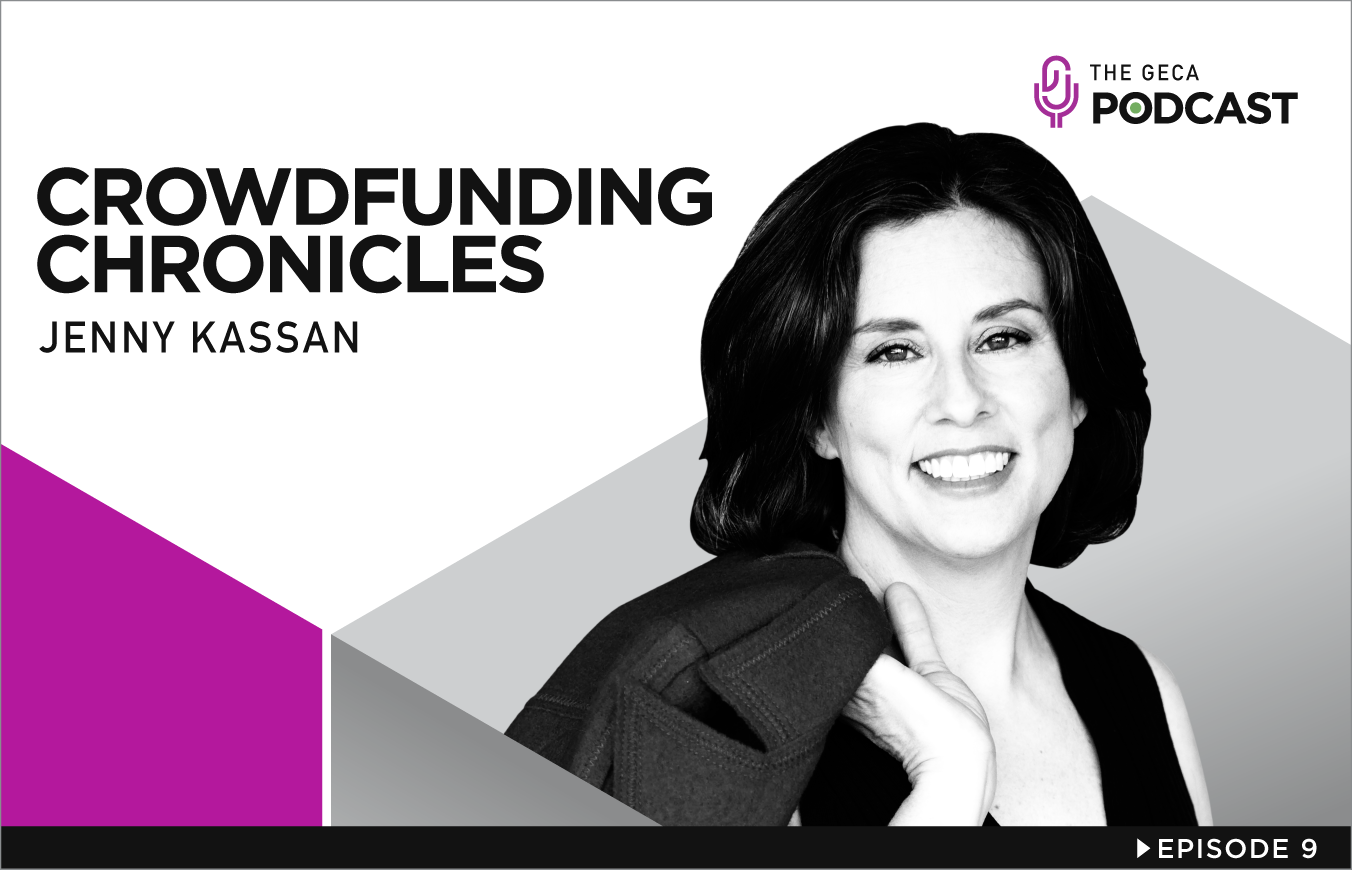
Building a Borderless Crowdfunding Future: Jenny Kassan on Breaking Investment Barriers | GECA Podcast
Building a Borderless Crowdfunding Future: Jenny Kassan on Breaking Investment Barriers | GECA Podcast
In this insightful episode of the GECA podcast, Andy Field welcomes Jenny Kassan, the current President of the Crowdfunding Professional Association and a true pioneer in community investment crowdfunding. A Yale Law School graduate with a master’s degree from UC Berkeley, Jenny’s journey began in civil rights advocacy but transformed when she witnessed the funding struggles of vibrant small businesses in Oakland’s low-income communities. This defining moment led her to co-found the Sustainable Economies Law Center and become instrumental in advocating for the JOBS Act, which she witnessed President Obama sign into law in 2012. As the author of “Raise Capital On Your Own Terms: How to Fund Your Business Without Selling Your Soul,” Jenny has dedicated decades to democratizing investment opportunities and challenging a financial system where only 15% of capital flows reach productive economic activities. In this conversation, she reveals her vision for borderless crowdfunding, explains why the industry needs both global movements and local activism, and discusses the CfPA’s current efforts to reform outdated regulations that burden startups with unnecessary compliance costs. Jenny also shares insights from her latest project, Baltimore Community Commons, a financial inclusion ecosystem designed to build wealth in underrepresented communities. This episode is essential listening for anyone interested in the intersection of social justice, community development, and crowdfunding reform, offering both historical perspective on how far the industry has come and a roadmap for where it needs to go.
ALSO AVAILABLE ON


Share this article


Andy Field: [00:00:00] Hello and welcome to the GECA Podcast, the Voice of Global Equity Crowdfunding. I am Andy Fields Steering Committee lead of the Global Equity Crowdfunding Alliance, GECA, where we bring together platforms, investors, and advocates from across the globe to shape a truly borderless future for investment.
And today I am thrilled to be joined by Jenny Kassan. Jenny’s the current president of the Crowdfunding Professional Association in the United States. she’s also an attorney, coach and ecosystem builder focused on capital access for underrepresented entrepreneurs. Jenny earned her law degree from Yale Law School and a master’s degree from.
from California, Berkeley, I believe Jenny, and she’s the author of Raise Capital On Your Own Terms, how to Fund Your Business Without Selling Your Soul, and Co-founded the Sustainable Economies Law Center. The Force for Good Fund, crowdfund Main Street, and Angels of Main Street. And most recently, she founded Baltimore
Community Commons, a financial inclusion and wealth building ecosystem project. And Jenny and I met recently in an event in Los Angeles where she was there in her [00:01:00] capacity as president of the CfPA. And we immediately started some dialogue as to how we could strategically work together and CfPA have recently become GECA supporters.
And I just wanted to have a chat with Jenny to find out a little bit more about her journey in the industry and what the CfPA are up to at the moment, what they’re prioritizing. So welcome, Jenny, and thanks very much for joining us on the podcast.
Jenny Kassan: Thank you for having me.
Andy Field: No problem at all. and I think this will be a really interesting discussion.
We are, we’ll kick straight off if that’s okay. We’ll dive straight in. So if we could start about your little bit, about your journey into equity crowdfunding, that would be great. So the obvious first question is how did you first get involved in the equity crowdfunding industry?
Jenny Kassan: Yeah. So after law school, in law school I really wasn’t very focused on business. I was more focused on sort of civil rights and advocacy. But after law school, I went to work for a nonprofit which did community development in a low-income neighborhood in [00:02:00] Oakland, California. And one of my jobs was to work with the small businesses in that community.
There was like a. Kind of a commercial street with a lot of different kinds of businesses. People from all over the world, had businesses on the street and it was, in spite of the fact that it was a low income community, it was an incredibly vibrant place. Yeah. And all the business owners were so impressive and their stories were so incredible.
And I saw how they were struggling and I started to wonder why is it. That we have so much money in our global financial ecosystem, and yet so little of that money reaches these businesses and how much better the world would be if these businesses had access to some financial resources. So I started looking at, the US laws governing, Finance and started to understand a [00:03:00] little bit more, some of the reasons why, that is the case. And of course. Almost every country has similar laws, and these laws are, they make investing in your own community, in businesses that you care about, whether it’s in your geographic community or a community of something that you’re really interested in, that’s maybe another place.
it’s very difficult for the regular person to figure out how would I invest in something that I care about? And and in a private business, and so people end up investing on, the public markets. And, that’s where almost all of the money that we have invested is invested. And that really doesn’t benefit these small businesses at all.
Maybe a little bit, but very indirectly. And so I just started really trying to understand this and became fascinated by the possibility of [00:04:00] regular folks being able to invest in things they care about outside of the public markets. And I realized that it actually had already happened to some extent in the US.
There’s a really great story of a ice cream company called Ben and Jerry’s that back in the eighties. Yep. They ended up figuring out a way to legally raise money from residents of the state of Vermont where they were located. Anyone in Vermont was able to invest the minimum investment. I forget it was like $464 or something like that.
And so I just started trying to understand how does this work? How do, how can we make the, how can we make this more common and easier? And so I started, I realized there were laws on the books that made it possible. Although in the US there was no way to do it At the national level. We have over 50 different jurisdictions in the US Yeah, the states, the territories, [00:05:00] Washington DC and so you had to do state by state compliance, and so I ended up as part of Sustainable Economies Law Center, I ended up advocating for a change in the law that did result in a federal, national law that does now make it possible to do it at the national level, but there’s still a long way to go.
So I’ve, that’s been my passion for decades. I’ve helped. many organizations raise money that way, both before and after that law went into effect. So we used to do it at the state level. I’ve done it myself several times, using many different tools. There’s lots of different legal tools in the us but we still have a long way to go to make it more user-friendly and more widespread.
Andy Field: So that, excuse me, that, that sort of, moment when you realize something needed to be done to get access to finance to people who really need it. Would you describe that as what, as the defining moment in your career when you knew this is what you were [00:06:00] gonna be doing now, this is something that really is gonna make a difference.
Jenny Kassan: Looking back it definitely was. I mean it became something that I am so passionate about. I really believe that if we could get more finance into the hands of small businesses, non-public companies, not taking away finance from the big public companies necessarily, but just having some amount of security in what is flowing to those non-public companies in the us. Like our public companies are only, there’s only about 3000 of them and there’s hundreds and hundreds of thousands of small businesses. So it’s very , it’s a very disproportionate amount of funding that is in the public markets and I’d just like to see some level of access. Greater than what we have now. And unfortunately I have been working on this for almost, and we [00:07:00] still have a long way to go.
Andy Field: And I guess it’s that keeps you motivated to, to keep doing it because like you said, there’s lots of progress that’s been made. Definitely. But still a long way to go before you reach that. the term I often use when talking about the crowdfunding industry is utopian land. If you like, there’s a long way to go and you are not gonna, rest until you get there.
Jenny Kassan: Yeah.
Andy Field: Brilliant. Okay, so moving on to the Crowdfunding Professional Association. so first of all, if you could just tell us how you got involved with the association and then perhaps outline some of the current priorities that you have as a body and the main areas of focus at the moment.
Jenny Kassan: Yeah, we did get a big change to the law. I was a co-founder of Sustainable Economies Law Center, which was a nonprofit, and one of the very first things we did back in 2010 was to write a petition to change the law at the federal level. [00:08:00] To allow regular folks to invest in small businesses, with some level of regulation.
And amazingly enough, the president Obama signed the jobs Act into law in 2012, and I was at the signing ceremony and we were so happy it did take another four years for the rules to actually go into effect. So it was four years before anyone could use it. So it started getting used in 2016. And yeah, so I was involved in that law being passed, from the very beginning and then monitoring like, okay, when.
What are the rules gonna look like and what, how is this actually gonna work? And so I was very interested in being a part of an organization that, of people that were also interested in that topic, you know? Yes. what is the future of crowdfunding in the US? Our… the CfPA isn’t just focused on that one law regulation crowdfunding under [00:09:00] the Jobs Act, there’s many different legal pathways to doing crowdfunding in the US, including the ones that I was using before that law passed. there was also another thing that went into effect under that law Regulation A, which we already had, but it got greatly expanded.
We those of us who are part of CfPA are just super interested in investment crowdfunding and we call it investment crowdfunding instead of equity crowdfunding cause some of, some people who do crowdfunding raise money in the form of debt, not equity. So it’s basically anyone who wants to raise money from the crowd regardless of the legal tools they use.
We wanna. make sure that’s working well and that industry is a healthy one. And so I, I’ve been involved in that organization for a while. It’s a wonderful group of people. Very diverse. there’s people like me who are super passionate about small business, like mom and pop, [00:10:00] and then others who are super passionate about opening up investment opportunities in businesses that are on a high growth path are currently private, but may someday go public. That’s not as much my focus or and passion, it’s a big tent and we think that people should have more choice. About where they put their investment dollars.
Andy Field: So that’s what we’re all about as an organization and really important actually to have that mix. I think. I think that’s a really good strategic, strategic plan is to have the people who are all focused and have maybe have slightly different priorities and slightly different wants and needs, but essentially are all collaborating together for the same outcome.
Jenny Kassan: Yeah.
Andy Field: so are there, is there anything right now, what’s the challenge or the, a number of challenges that you are working to solve right now in the US ecosystem?
It is quite a complex ecosystem when you look at it compared to other jurisdictions. And I’ve learned that very quickly over the [00:11:00] last few months, just meeting so many, interesting and powerful people in the industry. But yeah. Anything right now that you’re working to solve.
Jenny Kassan: Yeah, I would say it’s almost more an opportunity than a challenge because, ever since the law went into the new laws went into effect, after 2012, we started to see some issues with the laws, both how they were written and how they were being implemented. Yep. And we had many things that we wished could change. We could get some updates to the regs a few years ago. I think it was in like 2020, 2021. There’s still a lot of challenges and we still see it not thriving the way we hoped it would after it’s been almost 10 years since that law passed or in since regulation crowdfunding went into effect even longer since the law passed.
And so we’ve had this [00:12:00] wishlist of things that we wish would change, and now we do have an administration and a, Congress that is interested in making some reforms. So it’s our, an opportunity that we haven’t had for a while, ever before to in, with the current configuration of our lawmakers is to actually make some change and not just at the, so in, in the US and I’m sure this isn’t uncommon, but we have the laws which the legislature makes and then they get implemented through rulemaking. Yes. And so we have both the actual statute, which has not changed since 2012, and then we have the rules that were adopted by our Securities and Exchange Commission, and we would like to see changes made in the statute because the Securities and Exchange Commission, it’s very easy for them to change regs. We wanna see the [00:13:00] statute be more, friendly and supportive of the industry. and we have an opportunity to make that happen. So we’re putting a lot of effort into really trying to educate the lawmakers and their staffs about the things that are frustrating and maybe not necessary.
Just as one example, if you raise money under regulation crowdfunding, you, no matter, even if you’re a brand new company and you have had no financial activity, you still have to get, financial statements that are, prepared in a special way that usually requires a professional accountant.
And then if you’re raising more than a certain amount, you have to have a CPA. So it’s silly like you, you have to pay all this money for a professional accountant when maybe it doesn’t really make sense. So Sure. Some of the lawmakers don’t even [00:14:00] realize that. Yeah. So we’ve been trying to Educate them about what it’s like to live under the existing, rules and see if we can’t, get some positive changes.
Andy Field: And that’s really interesting because it mimics, two areas in particular. One is that’s happening to a certain extent. I know the UK Crowdfunding Association, lobbying for some similar changes. to be made to some of the, the rules and the regulations around getting access, to even open accounts on, platforms, which is, perhaps they need to be looked at.
Nobody’s saying that we should do away with the regulation. We just need to. keep it, how did we term it? I think we discussed this when we were in LA just to keep it on a level that’s appropriate if you like. And it, and also very similar to, I did a podcast fairly recently with Oliver Gajda, who heads up EuroCrowd.
And essentially EuroCrowd, helped write the European law, which is [00:15:00] fantastic. there is a harmonized set of regulations for members of the EU called ECSPR, and, but they share very similar frustrations to you in that the implementation of those rules and laws have seen things just happen a lot slower than they would like them to happen.
And there’s been some reports actually fairly recently that have come out and we’ve shared some of the content to the GECA community, just talking about why that’s the case and how potentially those challenges could be fixed, if you like. So it’s interesting that we’ve got these sort of, across the globe, we’ve got these sort of parallels that are happening, even though they’re happening in siphons, it’s, it’s this, it’s very similar in different jurisdictions.
So just actually, just moving on to the global opportunity. I know we had a discussion in LA about what GECA were doing and what we’re asking our supporters to support us with really in our mission to, to find this, this notion of genuinely, [00:16:00] borderless crowdfunding.
What does borderless crowdfunding mean to you? How, would you define it and how would you expect it to work? And as part of that, what do you think would be the main barriers to making cross border investment more accessible. you can do it at the minute, but the whole process is very laborious.
I’d be interested to get your views on that.
Jenny Kassan: Yeah, it is really challenging, for example, I’m actually getting ready to launch a crowdfunding campaign for this project I’m working on in Baltimore and I’m doing it on a platform called Small Change. And, I was told, and I have to, I’m a, lawyer, a securities lawyer, and I have to be able to offer that investment opportunity to non-US people is totally legal for any US person to invest in that under our law. Yeah. But what if someone from another country wanted to invest in that? You actually have to check each and every country’s securities laws [00:17:00] to make sure it’s okay. And I was told I, because I haven’t checked, I didn’t know, but I was told by the platform that we can add Canada and Australia.
And I was like, that’s random. So it’s just really frustrating that, We, it’s so onerous and laborious. If we happen to have someone in another country, maybe a relative, maybe people who are happen to be in another country, but absolutely are passionate about the thing that we’re building here. Because it resonates with something that they really care about. and that’s why investors invest, by the way, because it’s not just about them, them making their return. Of course, making return on the investment is important, but people invest. And we know this, there’s been various studies, and findings have come out fairly recently actually talking about the fact that’s what investors do.
They want to invest in something that they’re passionate and they’re interested about. And borders don’t, shouldn’t stop that.
Andy Field: So I take up all what you’re saying. Sorry [00:18:00] to interrupt.
Jenny Kassan: No, yeah, exactly. And, the, the public markets, or I hate, I don’t even wanna call it the public markets. I’m not sure even what to call it, like the financialized professionalized markets for money are borderless, right?
Yeah. if you’re a money manager who manages billions of dollars, you don’t have to worry about that stuff. You put your client’s money wherever you wanna put it, and so it’s really not a very fair or level playing field when, there’s this huge financial, industry and I was. I don’t know if you’ve heard of Rana Foroohar.
She wrote this book called Makers and Takers. It’s unfortunately, it’s already, I can’t bel, I would, I took it off my shelf and it’s already 10 years old. I need to see if there’s an update. It’s a really great book and it talks about how, the [00:19:00] financial industry has become the tail that wags the dog.
So when we, when the market economy or industrialized economy first started, finance was in service to the productive economy. Yeah. The purpose of finance was to help the productive economy. to grease the wheels to, to put the fuel in the engine to allow it to do what it does.
But we’ve now gotten to a point where only, and according to the book, and the book is a little old, I don’t know what the number is now, only 15% of the money that flows through the financial markets actually goes to productive activity. The rest of it is just money flying around this global financial casino, not actually doing anything productive in the economy, like growing a business. Yeah. Allowing real estate to get developed, so it’s [00:20:00] become, as she says, the tail that wags the dog. And, so we, those of us who are not part of that system, because we’re not managing billions and billions of dollars, we’re totally left out of it.
We don’t get any benefit from it. I would love for those of us who want to invest in. Smaller businesses that are not part of that system, which by the way are the, are make up 99.9% of businesses in the world. I would love for us to have some, the freedom to put our money into productive activities, businesses, real estate projects, etc, instead of having to put our money into this global financial system, which really isn’t creating a lot of productive activity and is just basically enriching financiers.
Andy Field: Absolutely. and to have the opportunity to invest in those businesses. It shouldn’t matter where you are in the world, and where the business is in the world. That’s, if you’re passionate about it and if it’s something you’re interested in, you should be able to invest in.
That’s certainly what we [00:21:00] believe as well. And Okay, so that, yeah, that definitely answers my question on how do you know, what does borderless crowdfunding mean to you? It’s exactly what. It means to us as well. And do you think, how do you see this sort of movement evolving? Like we know it’s not gonna happen overnight.
And we’re very clear and we tell all of our supporters, this is something that’s going to take time. There’s going to be changes needed, lots of changes needed in lots of different jurisdictions to make this happen. They don’t necessarily have to be massive changes, but there’ll be, there’ll be a fair few of them.
How do you see things evolving? Do you think it’s, it’s something that we should be, look, it’s certainly not a lost cause. is what we believe and I hope, hopefully you’ll agree.
Jenny Kassan: Yeah. I think ironically, even though we’re talking about a global movement. I feel my belief is that for things to really change, we need to have a global movement of local activism. I feel like the, my [00:22:00] theory of change is that things really do change when we can be face-to-face with each other, maybe in the same room, not necessarily virtual over time, not just meeting. That’s why I’m working on this project in Baltimore, which is the place-based ecosystem to grow people’s comfort level with investment crowdfunding because.
It’s amazing how difficult it is to get someone who’s never done something like that before, invested outside of the public markets on their Schwab account or Fidelity account or whatever, E-Trade account. Two, that’s, those are US things. yeah. You know these platforms where you can just press a button and invest, quote unquote invest in Apple, which by the way, when you invest in Apple, the money does not go to Apple.
It goes to another investor who owned stock in Apple and is selling it to you. So it’s not actually helping Apple at all, except [00:23:00] indirectly. So people are so used to investing that way and there’s all these professionals that tell them that’s how you invest, that we need to get people really comfortable with this other way of doing it.
And I believe that doing it in a place over time. Building trust, building relationships, getting people comfortable with it, helping people learn how to make these decisions about what to invest in and how to evaluate investments. I honestly think that’s what’s gonna move the needle. And it’s overwhelming when you think about it…cause it’s oh my God, that’s gonna take forever, But yeah. Yeah. I’m trying to create this ecosystem in Baltimore, Maryland, which is it, which will be a model that could be replicated throughout. Sure. The country and the world and of, and I know. I know it’s already happening in places all over the world, very much under the radar where people are super [00:24:00] passionate about investing in their own communities.
And, like the UK has, not to go too far off topic, but the UK has some local currencies. that whole local currency thing is a similar idea that, you, that you have money that. Stays local, that stays in your community, that builds wealth in your community. So these movements for localization, ironically…. could create, could be our part of a global movement to allow us to do whatever we want with our money, which sometimes will be to invest in our own community. And sometimes we’ll be to invest across the world because we’re passionate about that thing. Or may, maybe our grandparents came from a certain country and yeah.
You wanna invest in something in that country, there we shouldn’t have limits, but I do believe it, the movement has to be a global movement of local face-to-face activism and getting and education.
Andy Field: So that was gonna be my point. I was literally just [00:25:00] going to move on to that and I was just gonna say.
What you’re saying there sounds to me. So we’ve published our manifesto recently and one of, one of our key pillars is education. And there’s education across the board actually. So it’s to raise awareness of, the industry, it’s education for founders on how best to, set up their business for a crowdfunding campaign, education for platforms on what founders are looking for and education for investors into how they can.
Invest in, in sort of different businesses, in different jurisdiction, in different areas and in different ways as well. So it sounds to me actually, ’cause the next thing I wanted to talk about was, how we could strategically align what GECA are doing and what the Crowdfunding Professional Association are doing.
And education would probably be the first thing, the low hanging fruit, if you like. That, that, that comes to mind because I think we, we would certainly agree that education piece is gonna be huge if we’re to have any kind of catalyst for change. I, that’s where I see the natural alignment between the Crowdfunding Professional Association and GECA.
Would you agree [00:26:00] with that? Is there anything else that you would, you could think that we could maybe align on? To work strategically together.
Jenny Kassan: Absolutely. I think there’s certain principles that apply globally. there’s certain very specific nitpicky things that we’ve been focusing on to change the US law, but there’s other things that are totally, universal, what level of financial, statements have to be prepared and what is a reasonable amount to ask people to prepare? that’s something that’s gonna be universal. Yeah. And how, and then how do you evaluate a financial statement? If you are an investor, how do you decide what to invest in?
So there’s certain things that I think are not country jurisdiction specific that and of course every place we wanna honor every place and their unique context. But again, I think, business is business. If you’re gonna invest in a business, you wanna know What are its [00:27:00] projections?
what are its future expectations? Who’s the team? these are things that we can help people understand regardless of where they are.
Andy Field: Absolutely. And on the investor level, I think some of the things that you talked about that are gonna be the same across the board and perhaps should be the same across the board, helping to harmonize those kind of things makes perfect sense.
That can only help in the sort of global collaboration and the, the, being able to invest across borders. so I guess how do you think we could collaborate to. To influence policy share, best practice. Perhaps we could look at, events either online or in person. Certainly being part of your events and you potentially being part of our events would make perfect sense to me.
What sort of would an impactful partnership look like to you? That, in the sense that obviously we are supporters now of, of your organization and you are, you’ve kindly supporting, GECA, which is fantastic. Yeah. What sort of things do you think we can get involved in?
Jenny Kassan: [00:28:00] I do love the idea of trying to grow this global movement.
I have to admit, as a US attorney, I have been super focused on the US but I think it people all over the globe. Every human being on this planet is affected by our financial system, not necessarily serving. The best interest of most people. Yeah. Yeah. and this is something that applies to everybody on, in the, on the globe.
The financialization of our economy where finance has taken such a big role in our economy is taking away from the productive. activities that could result in good job creation and, good things happening in our communities and small businesses thriving, like this is an issue for everybody in the world.
So I think, starting to have that conversation at a [00:29:00] global level instead of just focusing on our, our own country is exciting because, we can make it into a global movement. Yeah, there’s a, there’s an organization, there, there’s something coming up called the World Localization Day, and that’s a really great model to me.
It’s it’s a global movement of people who care about their own communities. I’ve seen you mention this on LinkedIn actually. Yeah. Yeah. And. We’re interconnected with each other. Like nobody, I don’t think anybody, maybe some people, but most of us don’t wanna go back to a time where we had no connection to people around the world.
It’s such an enriching thing to know what’s happening all over the world and to have friends and colleagues throughout the world. and we also care about our own places and our own communities. So I think building that global movement of people who care about this. And having, maybe speaking with one voice on this desire to [00:30:00] be able to invest in the things we care about, I think could be really powerful.
Andy Field: And that’s actually what GECA, I hope you provide essentially a means to have a talking shop. So you’re quite right. you are quite rightly focused on things that are happening in the US but we have supporters who are very focused on what’s happening in Belgium or what’s happening in Portugal.
And actually to get those heads together, talking and explaining to each other some of the, some of the challenges and some of the positives as well about, about what’s going on in their particular jurisdiction. I think that can really help. and bring people together.
Jenny Kassan: That’s brilliant.
Andy Field: We’re actually, we are very close to running out of time, so I’ve got a couple more quick questions if that’s okay. And the ones I always ask at the end of the, at the end of a podcast, so the first one is, where do you see the industry in five years time? Where would you like to see the industry in five years time?
Jenny Kassan: Oh my gosh. I would love to see more people participating in, community investing. there’s a lot that has to happen. Unfortunately, fewer and fewer people have [00:31:00] assets to invest in the US and again, I’m apologize for being so US focused. No, not at all. A study just came out that 60% of people in the US.
Don’t have a money, enough money to live even to afford even the basic necessities of life. 60%. Yeah. So we are in a time of wealth being concentrated in fewer and fewer hands and the impoverishment of more and more people, which is. Horrific, And so unfortunately, like a lot of people can’t invest in anything.
They don’t have any investments and they can’t make any investments. But for those of us who do have any money to invest, to the extent we have like a retirement account or a, any money that we have invested most of us, to the extent we have money invested, it is in the public markets.
More and more of us getting comfortable with moving some of that money into [00:32:00] private, into crowdfunded investments and it becoming a bigger and bigger movement where people start to see, wow, I can actually do better with my money. Maybe make. Return and again, we could have a whole debate about what’s riskier, what’s less risky.
I think that’s subjective in a lot of ways. But, there are people who invest only in crowdfunding and they do quite well with their returns and they can feel good that their money is actually going into productive, actually, a difference.
Andy Field: Yeah, that makes sense. I think that would be almost if any of us could leave any kind of legacy in the industry, if we could do, if we could help to achieve that kind of, vision, within five years, that would be, fantastic.
I think that’s the same for me as well, actually. that’s brilliant. Thank you very much, Jenny. I just wanted to ask you just to share where any listeners can follow you or CfPA’s work as well. Do you want to just give out that information?
Jenny Kassan: Yeah, so you could [00:33:00] learn more about CfPA @cfpa.org.
We are having our awesome annual event in Washington DC in October, so we invite everyone to come. Even if you’re we, you’re not a US resident, it’ll still be really fun and interesting, so please come. Then in terms of my private work, JennyKassan.com, I have all my private work and information about my book and free resources.
Very US focused, to be honest. But, for those who are interested in US, we have lots of us listeners, so that’s, good. And who knows? It might be interesting to see what we’re struggling with in the US and again, I’m sure there’s tons of like overlap between the things that we all wanna see in our own country’s laws.
Andy Field: No, that’s brilliant. Thank you once again. Jenny, that was absolutely fantastic. Really valuable insight. It’s clear that CfPA and GECA, I think we’re both doing vital [00:34:00] work, you, in the US obviously, and, us on a global level. It’s also clear that I think there’s definitely room for collaboration in the future.
so that just leaves me say thank you. But yeah, thank you so much again. And if you enjoyed today’s episode, please make sure to follow GECA on LinkedIn. Visit the thegeca.org to learn more about our mission, our growing global supporter base and, just how you can get involved. And, thanks as always for listening to the podcast.
Stay tuned for future episodes and we’ll continue exploring the evolving world of crowdfunding and the innovations that are helping to shape its future. Thanks again, Jenny.

GECA Welcomes Crowdfunding Powerhouse Jason Fishman to Steering Committee
The Global Equity Crowdfunding Alliance (GECA) strengthens its leadership team with industry veteran who has helped raise nine figures across 500+ funding campaigns
A Strategic Addition to Drive Borderless Crowdfunding
The Global Equity Crowdfunding Alliance (GECA) is thrilled to announce the addition of Jason Fishman to its Steering Committee. This appointment comes at a pivotal time as GECA continues to advance its mission of enabling global, borderless equity crowdfunding and unlocking innovation and economic growth on an unprecedented scale.
Jason brings more than 15 years of proven expertise as a "New Media Enthusiast" to GECA, with an impressive track record of planning, activating, and managing scalable marketing strategies across diverse verticals and goals. As the co-founder and CEO of Digital Niche Agency (DNA), he has transformed the landscape of digital fundraising, having worked with over 500 crowdfunding campaigns that have collectively produced nine figures in funding.
Andrew Field, Head of the GECA Steering Committee, stated: "Jason's extensive experience in successfully marketing equity crowdfunding campaigns means he knows the industry inside out. This makes him an invaluable addition to our team. His strategic vision and proven ability to connect innovative companies with global investors perfectly aligns with GECA's mission to make equity crowdfunding truly borderless."
A Career Built on Crowdfunding Excellence
Since launching DNA in 2014, Jason has established himself as a dominant force in digital funding campaigns. His agency has worked with over 850 brands and delivered industry-leading results across eCommerce, lead generation, and digital funding initiatives. Particularly notable is his work with more than 500 Regulation CF, Regulation A+, Regulation D, and Digital Asset campaigns that have produced impressive financial outcomes for clients.
Jason's thought leadership extends beyond his agency work. He has been featured as a speaker at numerous tech and marketing conferences and has produced over 180 episodes of his "Test. Optimize. Scale." podcast. He maintains active involvement with the Forbes Agency Council and serves on the Crowdfunding Professional Association Board, further cementing his status as an industry authority.
Alignment with GECA's Vision
GECA's mission centres on advocating for what they term 'Crowd 2.0,' a revolutionary approach to equity crowdfunding that transcends borders, fosters collaboration, and removes unnecessary barriers to investment. The organization envisions a world where entrepreneurs, regardless of location, can raise capital from a global community of investors, and where investors can access opportunities worldwide, not just within their own countries.
Jason's approach to crowdfunding marketing perfectly complements this vision. His methodology, which he summarizes in three words - "test, optimize, scale"- has repeatedly demonstrated success in connecting innovative companies with investors across geographic boundaries. Jason has consistently advocated that equity crowdfunding platforms are powerful tools that companies have been waiting years to fully leverage, bringing benefits far beyond just capital, including strategic partnerships, media exposure, and B2B relationships.
Bringing Expertise That Drives Results
What sets Jason apart is his data-driven, systematic approach to crowdfunding marketing. His "Eight-Point Plan" has become a respected roadmap for successful campaigns, covering crucial elements from industry overview and competitor marketing audit to audience mapping, channel planning, creative strategy, partnerships, projections, and activation planning. This methodical approach to marketing has enabled campaigns to scale rapidly, sometimes growing from entry-level advertising budgets to six-figure monthly spends that produce seven-figure monthly returns.
Jason’s expertise in digital channels spans search engines, social media platforms, programmatic ad exchanges, influencer networks, email automation, content marketing, and strategic partnerships. His background in ad tech and deep understanding of performance metrics make him uniquely qualified to help GECA achieve its goal of making equity crowdfunding truly global.
Jason comments - "I'm honoured to join the GECA Steering Committee at this transformative moment for global equity crowdfunding. Throughout my career, I've witnessed firsthand how fragmented financial systems can affect the potential of equity crowdfunding. GECA's vision for a borderless investment ecosystem resonates deeply with my own beliefs about democratizing access to capital and investment opportunities. I look forward to contributing to this important mission and helping to build a more inclusive, efficient global crowdfunding market."
A Catalyst for Global Change
GECA believes in a world where innovation knows no borders - where entrepreneurs can raise capital from a global community of investors, and where investors can access opportunities worldwide. With the addition of Jason to the Steering Committee, GECA gains a strategic thinker with hands-on experience in turning this vision into reality.
GECA's mission addresses key challenges in the current equity crowdfunding landscape, including investors being locked out of global opportunities, entrepreneurs struggling to raise capital due to regulatory restrictions, and platforms operating in isolation, unable to scale beyond domestic markets. Jason’s expertise in navigating these challenges and finding strategic solutions will be invaluable as GECA works to transform the industry.
As GECA continues to build momentum in its mission to create a global, borderless equity crowdfunding ecosystem, The addition of Jason to the Steering Committee represents a significant step forward. His proven track record, industry connections, and innovative approach to digital marketing will help accelerate GECA's impact and bring its vision of Crowd 2.0 closer to reality.
For more information about GECA and its mission, please visit www.theGECA.org.
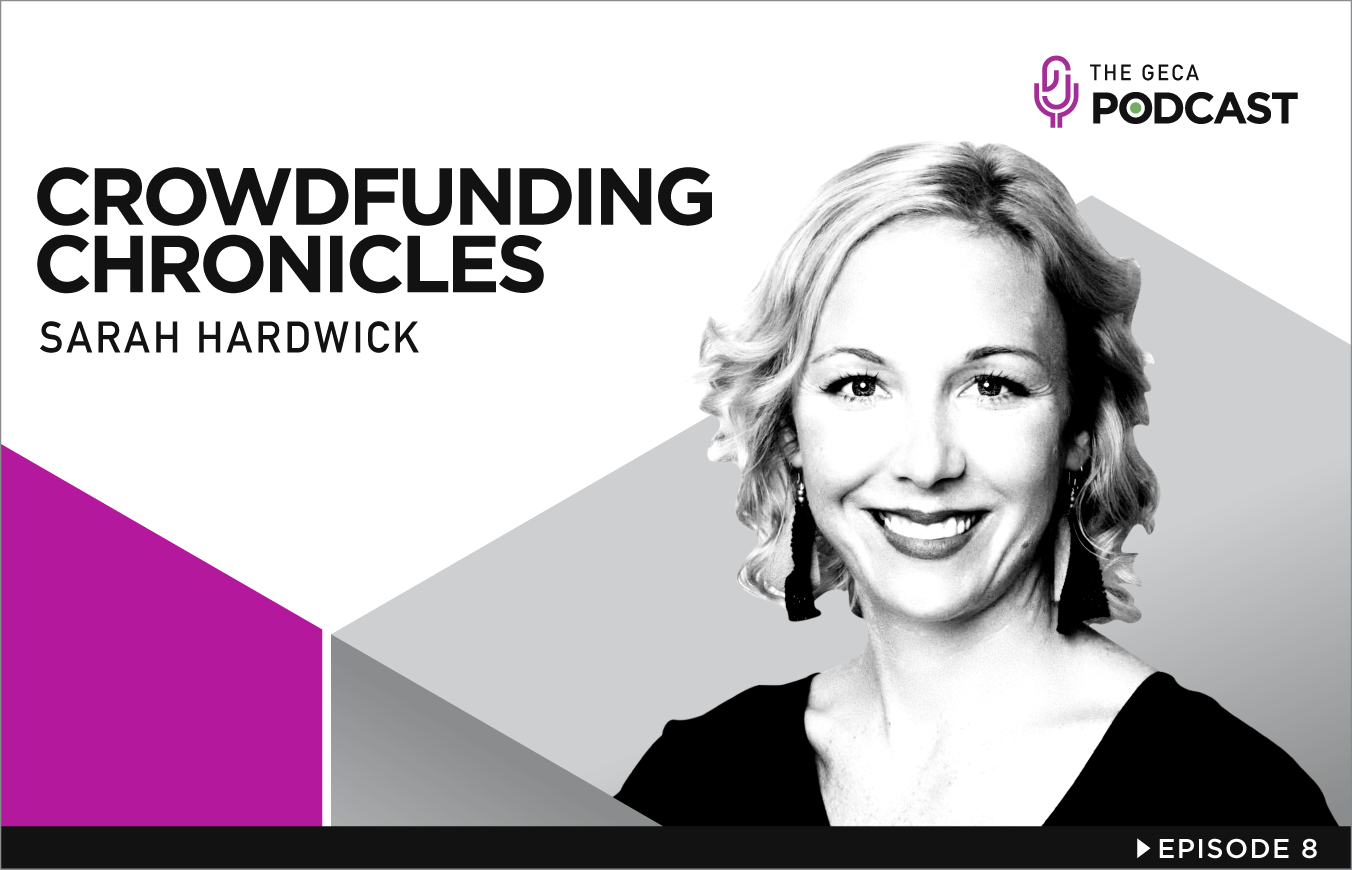
$140M Aptera Success: Sarah Hardwick's Global Crowdfunding Strategy | GECA Podcast
$140M Aptera Success: Sarah Hardwick's Global Crowdfunding Strategy | GECA Podcast
In this inspiring episode of the GECA podcast, Andy Field sits down with Sarah Hardwick, CEO of The Crowd and the marketing mastermind behind one of equity crowdfunding’s greatest success stories. As the former Chief Marketing Officer at Aptera Motors, Sarah helped orchestrate a groundbreaking campaign that raised over $140 million from more than 20,000 investors while generating $1.6 billion in orders. Now, through The Crowd, she’s revolutionizing how purpose-driven companies approach equity crowdfunding by moving beyond transactional marketing to create deep, values-based connections with investors. With over 25 years of entrepreneurial experience and a background working with global brands like Nestlé and Chiquita, Sarah brings unique insights into the art and science of crowdfunding success. In this conversation, she reveals why founders must “go all in” on their campaigns, shares the critical importance of storytelling rooted in company purpose, and explains how values-based marketing attracts the right investors who become long-term champions. Sarah also discusses the challenges and opportunities of global crowdfunding expansion, the need for industry collaboration, and her vision for using AI and advanced analytics to enhance campaign effectiveness. This episode is essential listening for founders preparing crowdfunding raises, platforms seeking to improve investor engagement, and anyone interested in the future of purpose-driven investment.
ALSO AVAILABLE ON
Share this article
Andy Field: [00:00:00] Welcome to the GECA podcast, uh, the Voice of Global Equity Crowdfunding. I’m Andy, field Steering Committee lead of the Global Equity Crowdfunding Alliance, where we’re bringing together platforms, investors, and advocates from across the globe. To shape a truly borderless future for investment. And I’m thrilled today to be joined by Sarah Harwick, uh, a powerhouse in the US crowdfunding ecosystem.
Sarah’s CEO of The Crowd. The Crowd is a full service equity crowdfunding partner, de dedicated to helping purpose-driven companies raise capital and build powerful communities. And Sarah brings over two decades of experience in, in brand storytelling and, and value-based marketing. Um, she’s the former founder and CEO of Zenz and worked with major global brands like Nestle and Chiquita to help develop their campaigns, which have been rooted in psychology and emotional insight.
And after successfully exiting Zenz, Sarah became chief marketing Officer at Aptera Motors, where she helped raise over $140 million from more than 20,000 investors generating around [00:01:00] 1.6. Billion dollars in orders and creating one of the most successful and powerful equity crowdfunding campaigns in history.
And through the crowd, Sarah and her team offer end-to-end campaign management services, including strategic planning, messaging, platform integration, media outreach and investor engagement. And they have a really strong focus on values, impact and authenticity. Um, so they’re helping to transform the, the equity crowdfunding industry into a powerful tool for social environmental change.
And, and quite clearly, their mission aligns very closely with, with GECA ER’s vision of a collaborative borderless investment ecosystem where capital flows towards innovation and impact. Um. I met Sarah very recently in Los Angeles at the Super Crowd LA event, and we immediately decided she’d be a perfect candidate to come and, and, uh, and talk to you, um, about her views, news and views on the, the equity crowdfunding industry.
So welcome Sarah, and thank you for coming on the podcast.
Sarah Hardwick: Thank you, Andy. It was fantastic to meet you and I’m excited to, to be here today.
Andy Field: And [00:02:00] because of the time difference, it’s very early morning for Sarah. So I really apologize for that. Sarah. It’s late in the day for me. Thank you. Um, thank you.
Sarah Hardwick: Don’t worry. I’ve got my trusty caffeine drink here.
Andy Field: Oh, brilliant. Waiting. So. Fantastic. Well, I think we can, we can dive straight in. I mean, it was quite a, that was quite a long introduction I gave you. You’ve obviously had a lot of experience in, in the industry. So can you tell us to start the, the conversation, just tell us a little bit about the, the origin story of, of the crowd and what inspired you to, to form it.
Sarah Hardwick: Sure. Well, I’ve actually been an entrepreneur for, you know, over 25 years. Um, I think, uh, the struggles for myself personally in raising capital and really, you know, having to bootstrap it was a lot of the inspiration for starting the crowd. So, you know, even though my company was very successful. I really felt, you know, I was in the shoes of founders really trying to raise capital, and so after going to Aptera and leading that campaign, I saw that gap and what really I think the gap is, [00:03:00] is around, you know, the, traditionally the transactional nature.
Um, of the way that marketing and the way that crowdfunding is approached and, you know, that’s what I saw in my first company, Zenz, my values marketing company and going to Aptera. That’s really what I saw, you know, the situation was. So in looking at that very much transactional approach, I felt like there was an opportunity to create a deeper meaning and a deeper connection with investors and customers.
Andy Field: Yeah. And that actually kind of that, I, I can’t imagine there’s, there’s many businesses that, that do it in that way. You, you know, you seem to be quite unique in the marketplace from what I’ve seen. Um, who’s, who would you say is your, your, sort of your core audience in, would it be, would it be investors? Would it be founders? Would it be both? Would it be, would it be the platforms that they work with? How, how do you sort of serve each of them uniquely?
Sarah Hardwick: Yeah, well, I work, so I’m platform agnostic. So part of the process that I do at the crowd is really guiding companies and guiding founders [00:04:00] through what the best option is from a platform standpoint.
So, starting off with, you know, should you be with a marketplace or do you want to have an integration in your own website? So I’m, I’m platform agnostic and, you know, have great relationships with a lot of the, the different, um, partners out there. Um, my core audience is really focused on founders.
Specifically founders who are doing disruptive things and really want to change the world. Yeah. And these are spaces right now, you know, the innovation that’s happening in affordable housing, in consumer products and consumer packaged goods. Um, all sorts of industries, but really focusing in on. Founders who have something amazing and are really trying to do something big and wanna create a movement.
And in the same way, what I’m really doing is bridging between these founders and investors. So for investors who want to be able to, uh, participate in, in an offering or invest in something that they believe in, I really am serving as the bridge [00:05:00] between, you know, founders and investors who both have that same passion and both wanna change the world in that same way.
Andy Field: Great. So that, yeah. So you are sort of harmonizing that side of things and I suppose essentially what you’re doing is helping them build the crowd but also build the right crowd for them. Um,
Sarah Hardwick: that’s exactly right. Yes. And I think that goes to kind of, I think a point later on, um, that I wanted to make, which was, you know, it’s really about a lot finding and uncovering and aligning, you know, the values of who those ideal investors are, and, you know, understanding that it’s okay not to go after everyone.
And so for a lot of founders, I think one of the mistakes that they make is they try to be all things to all people, and they want every different kind of investor. Yeah. And I think that’s an easy trap to fall into. But one of the most important things that we really coach founders on is to, you know, know your why and to start with that why, and that’s gonna attract the right kind of investors.
So. Not all investors are created equal. You [00:06:00] really wanna focus on those that are aligned with your values and aligned with your mission for the greatest impact.
Andy Field: Yeah. So making sure that their unique story is actually tailored and then targeted to that sort of unique demographic of people who are really gonna be interested and will buy into what they’re, that they’re doing and, and, and truly believe in what they’re doing and therefore will make the investment.
Sarah Hardwick: Yeah. I think, you know, another thing that I look for in founders that I work with is. Founders who are willing to go all in. And that’s something that I talk about a lot because I do see, you know, crowdfunding because it is, you know, something that people are excited about and is, you know, a rising trend.
And, and more and more companies are, are interested in getting into crowdfunding. Sometimes I will see them just, you know, have an, uh, an offering page or you know, in fact, yesterday I had someone who said. My start engine page is going live tomorrow. What do I do? And so really, I, that’s, that’s great. And we want these founders that are all in, but we also want founders who are really gonna make this a [00:07:00] priority and are gonna hustle.
And so if you’re just gonna throw up a page and, you know, hope for the best, those, those really aren’t the types of companies that we work with. We look for founders who want to make crowdfunding a core part of their business and create relationships that are gonna be longstanding and lasting with their customers.
Andy Field: Yeah, that makes sense. That makes sense. So I guess then that initial sort of first meeting you have with, with any sort of potential client is a really interesting one. Because, because they have to have the mindset to be able to, to work with how you are suggesting they work. And it might be quite a shift for, for quite a few people.
Sarah Hardwick: Absolutely. Yeah, absolutely. And I think, yeah, it’s getting on regular calls and getting on meetings and it’s, yeah, you know, certainly delegating some stuff to your, your team members. But I wanna see our founders on webinars. I wanna see them doing tours of their facility. I wanna see them being real and transparent and.
Sometimes that’s not easy. You know, you, I’m sure in as, as a entrepreneur and you know you’re an entrepreneur as well, things don’t always go as planned. And it’s [00:08:00] really very important, I think, to be able to be transparent with investors and to coach founders. And you know, you gotta be real. And when things go great, that’s amazing.
And you have all these people to celebrate with you. And when things are challenging. You can get, you can really build a movement that will rise with you and that will will help to, you know, cha uh, challenge the norms and, you know, really be a part of this, um, change that you’re trying to enact. So it’s not always easy and I think, um, for many founders it’s finding that kind of right crowd that will be behind them.
Andy Field: Yeah, and I love the way you term it going all in that that’s really, I mean, it sums it up perfectly, doesn’t it? You can’t, you can’t get a more, um, concise description of what they need to be doing. So yeah. That’s really interesting. Um, so, so. Your recent supporters of, of gcca, which is great because I was explaining to you what, you know, what our mission is and, and, and how we plan on, on building our community and our supporters.
And, and, uh, I know you were sort of fully behind that, which is great. I’m just [00:09:00] wondering if, so just moving on to talk a little bit about what the opportunities are, Glo you know, globally, not, not just in the States. So I wonder if you have any experience on sort of. Any regulatory or or structural barriers that you might have come across that might prevent us crowdfunding platforms, attracting global, global investors, and maybe not the platform, but maybe the founders themselves actually in your instance.
Is there anything in particular that comes to mind on that front?
Sarah Hardwick: You know, I think there is a perception with founders that it’s kind of overwhelming, and I think it’s the, you know, the compliance is part of it. The time difference is part of it, you know, the, the cultural differences part of it, I think language, things like that.
Yeah. The, yeah. And there’s, you know, I think that there’s those type of, of, you know, perceived barriers that are out there, um, that can make them feel a little bit intimidated. And so I, I think what I see sometimes is. Global being, um, positioned as a phase two. Yep. When the most [00:10:00] successful campaigns aptera for example, it was always an important phase, part of our phase one.
And I think whether even if you can’t be delivering to customers or you won’t be able to, you know, kind of service them immediately or as quickly as you can, if you’re a US based company serving, you know, US customers and investors. Having that and, and inspiring that community and recognizing and speaking to, you know, the global audience, um, initially I think is, is very critical.
And I think that’s often pushed off as a nice to have when an an actuality. I think it’s something that’s really, you know, pivotal from the beginning.
Andy Field: Yeah, I think that makes that, that makes a lot of sense. And, and so do you think that once she’s, once that opportunity, because I can imagine a lot of founders wouldn’t even consider the opportunity of going global, and I’m wondering if, do you think there’d be an appetite for that amongst the platforms and, and the issuers to, to connect with global capital markets or investors and, and if so.
What do you think needs to happen to unlock that? Is it just a question of, of [00:11:00] education? There’s obviously some regulatory, um, barriers that need to be overcome, but I just wonder what your views are on that.
Sarah Hardwick: I mean, absolutely. It feel, I feel like there’s an appetite and an interest and an excitement for that, but I, the challenge is that there’s not a playbook.
Yeah, what they’re missing and what we’re missing is a playbook for how you approach this, how you tackle, you know, investor relations and how you tackle some of these basic, you know, crowdfunding campaigns and storytelling in different regions. So that’s really what it’s, I feel like is missing, is a playbook, is is a way for them to actually tactically move forward and be effective.
The other thing I think is actually beneficial, and one thing that we look for and we try to optimize a lot is. If you have supporters and investors that are already in global markets. Yeah, because, you know, I’ve seen in my experience, you know, they will rally behind a specific region. You know, Hey, we’re here, you know, we’re, we want to, to meet up with others [00:12:00] who are the other supporters in this area.
So identifying and, and. Tapping into supporters, even if they’re few and far in between in global markets, that’s really a great way to start to help you build out your presence and to help you cross that gap and cross that bridge.
Andy Field: Yeah, that’s a really good point actually. And, and that, and that’s almost like the power of recommendation as well, isn’t it? Endorsement and it sort of adds to that value. I mean, yeah. Well, yeah. I mean, I suppose, well, hopefully gcca, that’s, that’s obviously what we are trying to assist with and, and you know, we’re. Our, our main initiative is obviously advocating for, for borderless equity crowdfunding. That’s our utopian, uh, view.
So how do you see that evolving over the next few years? Do you think that’s going to play more of a part, do you think? Do you think everybody involved in the industry will welcome that? Um, we’ve al we’ve already talked about the barriers. I just wondered from a, from a perception point of view, do you think it will be welcomed that.
Sarah Hardwick: Absolutely. Absolutely. And I think many, especially many founders who have been successful [00:13:00] crowdfunding are looking for ways to expand their reach and looking for ways to target new markets, new communities, you know, new, uh, fans who are aligned with their values. And the great thing about this is that we’re not trying to market to people based on demographics, you know, where they live.
Is less important than what they care about. And that’s exactly what, why, you know, what they want, how they wanna change the future, why they are, are part of this movement. So from my standpoint, I think it’s, I think the, the perception, I think they’re very excited and, and, and looking and seeking out ways to align with investors who share their values regardless of where they’re located geographically.
Andy Field: Yeah. And that, that absolutely is, is, is what we’re, we’re sort of, um, advocating for as well. So, yeah. That’s, that’s amazing. Okay. Well, just going back a little bit to, um, your experience, um, and maybe some advice for, for founders and for platforms, have you got any, any advice for [00:14:00] founders who are right now just.
Thinking about preparing for a crowdfunding raise right now, as in this year, especially in terms of the, we, you know, I was, um, I mentioned actually when I was speaking in LA a little bit about the importance. Some of, I think the question I was asked was what’s the, the, you know, the critical thing that, that people need to consider in their marketing.
And my advice on that as, um, I have a marketing background as well, was think about the story, the storytelling, and I think that’s crucial. Do you have any advice to, to, to businesses that are. Thinking about, um, starting a raise in terms of the marketing and the storytelling, what would be the key things that they should be considering now?
Sarah Hardwick: I mean, you are absolutely right. Storytelling is absolutely the critical part of the campaign. The question is, what stories are you telling and, and I think, and who’s telling the stories. Yeah. So taking a step back, again, it’s revisiting. Why are you here as a company? What are you trying to accomplish?
What is your [00:15:00] purpose? And getting clarity on that one statement here is why we exist. Here is what we believe in, and that why that purpose should be woven through everything, all of the stories of the campaign. And a lot of times founders, when they’re thinking about a crowdfunding campaign, jump right into, let me tell you about the product or service, or let me tell you about the market size.
And they forget about this idea of why they’re here and, and what they’re trying to do. And that’s from a storytelling standpoint, those are the most important stories that you could possibly be telling. So the first part and most important part is take a step back. Yeah, and revisit that. And we have a series of questions and an ex, some exercises that we can take founders through as part of our process that helps them recenter on that.
And then once you have that insight, then that’s where you create a messaging hierarchy and the storytelling matrix and the PR angles and all of those come from, from those insights around why.
Andy Field: So, so at the [00:16:00] core of everything needs to be that story and it’s almost helping them see the wood for the trees and reminding them that they need to do that throughout the campaign.
Sarah Hardwick: Yeah. Yeah. And I, because in that, why, when we talk about values based marketing, you’re trying to attract investors who share your values. So if you’re not putting them out there. There’s nothing to gravitate towards, and it’s very functional. And in the beginning you asked me, you know, why did I start the crowd?
And I started the crowd to move away from this transactional view of crowdfunding and move towards a relationship and building these deep and longstanding relationships and building a movement. Yeah. So moving your messaging and your stories away from the tactical and moving him into a place of values.
Is where you get the engagement and you get the longtime investors, you know, they start off with investing $500 and they come back and invest 5,000, and then maybe they become one of the lead investors. And that’s a journey. And it doesn’t happen without a deep core [00:17:00] connection to what people really, truly believe in.
Andy Field: No, that I think, yeah, that, that resonates really well with me. Um, so yeah, so once they’ve got the story at the core of everything they do, that’s a great top tip I think. Have, do you have any sort of top tip? We already mentioned that one of the key things that, um, you encourage founders to do is to not be all things to all men and, and to, to target very carefully their story to their audience.
Do you have any tips for how they would go about. Doing that sort of targeting for the, for the right investors.
Sarah Hardwick: Sure. Well, if you think about it, values are polarizing and people who are motivated by purpose and the environment and sustainability, you know, are not necessarily motivated by status and profit and achievement.
Yeah. And success. And so when you think about it, you know, you, when you are centering around that why you really, you know, you want to double down. On who you are. And I, uh, I mean, Aptera again is a great example that three-wheeled vehicle did not appeal to [00:18:00] everyone, and you either loved it or you hated it.
And you have to be okay as a founder with people hating your product or your service. And honestly. If, if there, it’s so much better to have people who are think that, you know, they hate it with a passion, then they’re ambivalent about it. So really digging into the people who absolutely love it, your hardcore fans, and it’s, and, and speaking to that and, and rallying them and playing into that and doubling down on that.
So if it’s purpose and sustainability, those are your people and you don’t compromise on those values. But you know, if it’s in another direction, then you double down on that. And it’s okay if it’s status and celebrity and maybe you’re bringing in some influencers and your campaign looks a little different and that’s okay.
The point is that you cannot be all things to all people. One of my favorite quotes is, you know, you stand for everything. You stand for nothing. Yeah. And it’s absolutely true here. So it is better to have a smaller group of really aligned and passionate [00:19:00] fans than a huge group that’s completely unengaged.
Andy Field: Yeah. Yeah. And I think. I’m right in saying at the event in LA recently you played a video about this campaign, and that was great. And I think another time maybe we’ll get you to, to, to present that video. That was a fantastic presentation you gave and I think the, the geck, a supporter base would love to see that.
So maybe we should schedule that because that will really bring it to life. Yeah. Okay. So, so as a, as a marketing and branding expert, this is a little off the wall, this question because it’s, it’s more about. Platforms. Mm-hmm. Have you got any opinions on, on what you think the platforms and maybe the industry as a whole actually could be doing better to engage retail investors?
So, so almost them supporting the, um, the issuers, uh, you know, how, how, how, how can they help? How can they help sort of with the, with the, the, you know, the engaging of those retail investors?
Sarah Hardwick: Yeah. I, I believe that, you know, some, um. That some investors are more excited and [00:20:00] inclined to be a part of a community than others.
So from a platform standpoint, building a community and you see some who have really focused on creating insiders, sending out, you know, special deals, you know, really, uh, creating kind of a movement amongst their own investors. And that is very beneficial, I think. So for the platforms to help to create those programs where there are insiders, there are ambassadors, there are people who are excited to be a part of a community.
I feel like that’s really a lot of what’s been missing and some platforms are really moving towards that and making strides and embracing community. Yeah. As you know, the, the core part of this, because it does take a community, it does take the crowd, and so I think that for, from my standpoint, platforms could probably be doing better at rallying people and making it easier for people to connect.
And to share insights and to share best practices and experience and really help each other. [00:21:00] And that’s one of the, the things that I have always felt was missing. And one of the things that I hope to do with the crowd as well is bring people together to share the struggles and share the successes and continue to improve what we’re doing with this, you know, art and the science of crowdfunding.
Andy Field: Yeah. And that actually rings true with, with, um, something that we, we’ve just published our manifesto fairly recently. And, and a big part of that is the notion of. Collaborate to compete. We need, as an industry to collaborate, we need to work together to share best practices, to share failures, to, to share experience really.
And we need to do that in order to compete not with each other, but against other sort of means. You know, there are other investment opportunities out there for investors and, and, and crowdfunding should be, should be a real consideration for them. It’s such a fantastic industry and, and one that. Can make such a difference to Yeah.
You know, to startup businesses and yeah. I think that makes, that makes perfect sense. So that’s great. What, just thinking a little bit about the [00:22:00] future mm-hmm. Where do you see the sort of the most exciting innovation happening now in, in the crowdfunding space, either in the states or globally? Do, are you seeing any springs of, you’ve talked there about, um, the potential for collaboration and, and community building with platforms.
That would be a good example, but I’m wondering what else you think you, you know, that you can see happening in the near future that’s potentially going to change the crowdfunding space.
Sarah Hardwick: Yes. Uh, certainly I think we’ve talked a lot about values driven campaigns and mission driven campaigns. I think we’ll see more and more of those really leaning into that.
That’s one trend that I think we’ll see from a technology standpoint. I think we’ll see a lot more development of analytics and tech to help us understand the investor journey more clearly. Yes, and for us as marketers and as founders and crowdfunders, having that intelligence and having those insights.
To help us to understand what’s working and what’s not is invaluable. So I envision that. We’ll [00:23:00] see, and, and we’re already starting to see platforms who are rolling out pretty sophisticated, uh, tools for issuers to help us to understand. Who’s coming through the pipeline, where they’re maybe getting stuck and how we can encourage and nurture them to get them to actually convert to become investors.
So I think we’ll see a lot of, of technology that’s evolving, that’s making it easier for marketers to really facilitate that process and to create, you know, uh, deeper connections with investors into convert more efficiently.
Andy Field: Yeah, and I guess that helps with the whole targeting piece as well, because if you, if you’re collecting the, you know, good data around investors, um, and even potential investors actually, then that will really help, um, with that sort of matchmaking between, you know, the right deal with the, with the right investor.
So, yeah, again, that makes, that’s true. Yeah.
Sarah Hardwick: You know, it’s easier than ever to spin up ads and test things. And so now with, you know, AI obviously is gonna be another huge Im impactful [00:24:00] trend that we’re gonna see in the future. I believe that we’ll have agents executing crowdfunding campaigns and components of of crowdfunding campaigns.
It within the next year where it won’t necessarily be, uh, individuals or a freelance per PR person. And all of those tools and a lot of those resources, I think will be tied together in a more automated fashion using AI to really help to increase efficiency. Where I. The AI may be working on your email funnels and distributing those emails and, uh, writing back to investor questions, and we’re already seeing things like bots and other Yeah.
You know, forms of AI being utilized. We’re obviously all using AI and, you know, running things through GPT, but I believe that we’ll see a next level of agents who are actually very sophisticated at executing on very, you know, essential tasks that are part of a crowdfunding campaign.
Andy Field: And I guess that’s going to help you. Which kind of leads me to my, the last question I have for you actually, which is, which is going to be what’s next for the crowd, but I [00:25:00] suppose part, you know, part of the, the answer you’ve just given there will be reflected in that answer. You know, what’s next for the crowd? Well, you’ve got lots of innovation, lots of exciting things that are happening in order to help you.
I wonder, I, it’s a genuine question really as to how the, the marketplace IE your, the founders that you’re working with. Will react to you using tools like that because obviously they’re very powerful and, and they need to be explained and the benefits, you know, they go, you know, they go without saying what the benefits will be.
It’d be great to see, and it’d be interesting to see how the founders react to using things like AI in their, in their marketing campaigns.
Sarah Hardwick: Yes. And I think they are already Andy. Yeah, I, I’ve had so many, even just in the past couple of weeks, here’s a video script that I asked AI to do. Yeah. Here’s, you know, the landing page suggestions. Here’s some SEO recommendations. So they’re already doing it. I think the value that we can bring is. Helping it to make it sound in the right voice and tone. Infusing those values into the language. Giving the AI a, a [00:26:00] framework Yes. For how to create a campaign that’s going to be, personalized and customized and in line with the goals of a founder.
So there’s that part of it. ’cause I think they’re already doing it, but maybe not that well. And maybe they need some help collaborating with it so we can elevate. Yes. And I think training and education, you know, that is a core. Part of what I’m gonna be doing in the next year with the crowd, we’re gonna be launching some training.
We’re gonna be launching some tools. Basically, if you can imagine the whole system that we use to raise 140 million for aptera in a playbook format where we can help to get them closer, to help to to build community, to grow your list, to get the messaging right on target, to create the right testing mechanisms for ads.
All of those core pieces to really, you get the, give them a playbook for what’s gonna be successful and how all of the things that they need, the components to be successful with a crowdfunding campaign. So that will be coming out very soon. I’m very excited to, to [00:27:00] launch that.
Andy Field: That’s interesting. And that’s one of our, I. Um, pillars actually, and that we, we put in our manifesto is that the, the need for education and training across the board actually. So for founders, for platforms, for investors. And it’s one of the things that we’d like to think that our community is going to be supporting. Um, so, so the question I was going to ask right at the end obviously was what’s next for the crowd?
You’ve kind of already answered that, but how, how could the, the GCCA community support or collaborate with what you are gonna be doing next and how you are progressing things?
Sarah Hardwick: Yes. Well, I think back to some of your questions around, you know, the ecosystem and you know, how we can be, be working more closely with global investors.
I think I would love to work closely with Gaca to bring more global investors into the campaigns that I’m running for. You know, companies, I have a client called Geo Ship, and they have a huge international presence and a huge demand. They’re working on regenerative lifestyle and, and geodesic homes. And for, for them, for [00:28:00] example, there is a huge opportunity to bring in investors.
And yeah, there are communities all over the world that would love to have this type of a, a community and this type of a technology. So, uh, I would love to work with GECA to be able to. Create that community and, and help to bring some of these investors, these like-minded investors who share these values into some of the campaigns that, that I’m working on.
So that would be be one way for sure. And I think it will, to your point, it will take some education to do that. Yeah. How can we do that? What are some of the barriers? What’s hold? What are the holdups and. Only through running these campaigns together will we figure that out. And I think it’s just a matter of diving in.
Let’s do it. Let’s get in there, go all in, let’s create it. Let’s, let’s go all in. Yeah. And let’s create strategy that we can use and let’s, let’s get rid of those, those gaps. And let’s really, you know, company by company, founder by founder, investor by investor, start to bridge that gap.
Andy Field: Well, that is a, a really poignant note to, to end on because we’ve [00:29:00] pretty much run out of time.
Um. Look a massive thank you for that. That was, that was really fascinating. I’d love to have you back on again and, and to go through an example of one of the campaigns that you’ve worked on, just because I found it so fascinating myself when I saw it and I, I’m pretty sure everyone else I. We’ll find it fascinating too.
So Sarah, thanks so much for sharing all those, those insights with us. It’s clear that, that that platforms like the crowd are, are doing some fantastic work in, in helping make investment more inclusive and aligning with our global vision for, essentially what we’re looking for is a more connected equity crowd funding ecosystem.
So thank you very much.
Sarah Hardwick: Thank you. No problem.
Andy Field: So if you enjoyed today’s episode, make sure you follow gcca on on LinkedIn and visit the gcca.org to learn more about our mission. You can download our manifesto there, um, our growing global supporter base and how you can get involved. Sarah, I did mean to ask you and just remind everybody how they can get in touch with you if they want to connect with you directly as well.
So if you [00:30:00]
Sarah Hardwick: Absolutely, yep, I would welcome any connections on LinkedIn. You’re also welcome to go to our website, join the crowd.co join the crowd.co to learn a little bit more about our offering. But I love the personal connection, so please feel free to reach out to me on LinkedIn. We’d love to connect with everyone there as well.
Andy Field: And there’s a connection to that site on the GECA website as well. If you want us to look at it via that way. It’s, it’s, it’s easy to do that. So thanks everybody again for listening. Stay tuned for more voices that are gonna help shape the future of global crowdfunding. Thank you.

Netcapital Securities CEO and Compliance expert Alexandria Fisher Joins GECA Steering Committee
The Global Equity Crowdfunding Alliance strengthens its leadership with Netcapital Securities CEO who brings deep regulatory expertise and innovative approaches to cross-border fundraising.
A Strategic Addition to Advance Borderless Investment
The Global Equity Crowdfunding Alliance (GECA) is pleased to announce the appointment of Alexandria Fisher to its Steering Committee as Strategic Advisor. Alexandria brings exceptional expertise in regulatory compliance, strategic partnerships, and innovative fundraising approaches that closely align with GECA's mission of enabling global, borderless equity crowdfunding.
As CEO and CCO of Netcapital Securities Inc., Alexandria has established herself as a leading voice in expanding access to private capital markets. Her comprehensive understanding of regulatory frameworks, combined with her strategic vision for cross-border collaboration, makes her an invaluable addition to GECA's leadership team as the organization works to transform the global equity crowdfunding landscape.
Andrew Field, Head of the GECA Steering Committee, commented: "Alexandria's deep regulatory expertise and innovative approach to fundraising strategy make her a compelling strategic advisor for GECA. Her experience navigating complex compliance requirements while building bridges between different fundraising mechanisms directly supports our mission of creating a truly borderless equity crowdfunding ecosystem."
Pioneering Strategic Fundraising Solutions
Alexandria's approach to equity crowdfunding sets her apart in the industry. Rather than viewing different regulatory pathways as separate options, she champions a strategic combination of Regulation CF, Regulation A, and Regulation D offerings to maximize fundraising potential. This innovative methodology allows companies to access both non-accredited and accredited investors simultaneously, creating more comprehensive capital-raising strategies.
"Companies who look to utilize multiple offering types at the same time are being very strategic," Alexandria explains, "using the Reg CF or Reg A bucket to open the investment opportunity to their broad network, while leveraging Reg D to attract larger investments from accredited investors and venture capitalists.”
Her work at Netcapital Securities has positioned the Netcapital platform uniquely in the industry, with Netcapital Securities operating as an SEC-registered, FINRA member broker-dealer and Netcapital Funding Portal as an SEC-registered and FINRA member funding portal, both under the Netcapital Inc. umbrella. This dual status provides strategic flexibility in collaborating across platforms and regulatory frameworks – exactly the type of innovative thinking GECA champions for global equity crowdfunding.
Regulatory Expertise Meets Innovation
Alexandria's professional journey reflects a deep commitment to democratizing access to capital while maintaining the highest compliance standards. Her previous experience managing regulatory compliance programs at Fidelity Investments, combined with her current role overseeing Netcapital Securities' regulatory framework, provides her with unique insights into both traditional financial services and emerging crowdfunding models.
Her expertise spans alternative investments, private capital markets advisory for both primary offerings and secondary market transactions, broker-dealer compliance, securities regulation, digital asset securities, and regulatory roadmap development. This comprehensive background positions her to help GECA navigate the complex regulatory landscape of cross-border equity crowdfunding.
Alignment with GECA's Vision
GECA's mission centers on creating a truly global equity crowdfunding ecosystem where capital flows freely across borders, connecting entrepreneurs with investors worldwide regardless of geographic limitations. Alexandria's work directly supports this vision through her focus on strategic partnerships and her innovative approaches to regulatory compliance.
One of the most exciting aspects of Alexandria's strategic thinking is her focus on liquidity solutions for crowdfunding investments. While much of the industry focuses solely on primary fundraising, Alexandria and her team at Netcapital are exploring ways to offer investors future liquidity opportunities – a critical component for the mature, global crowdfunding ecosystem GECA envisions.
Alexandria's intellectual curiosity – what she describes as her "superpower" of "thinking deeply and critically about a number of things" – drives her to question established norms and explore new possibilities. This mindset complements GECA's mission of reimagining how equity crowdfunding can transcend traditional boundaries.
A Commitment to Democratizing Capital Access
Beyond her regulatory expertise, Alexandria's commitment to expanding access to capital markets aligns with GECA's values. She serves as an advisor to startup companies, mentors at Techstars, and is a member of Global Women in Venture Capital (VC) and the Dell Women's Entrepreneur Network (DWEN).
"I'm excited to join GECA's steering committee at this pivotal moment for global equity crowdfunding," said Alexandria. "The industry has tremendous potential to democratize access to capital, but realizing that potential requires strategic thinking about regulatory frameworks, cross-border collaboration, and innovative approaches to investor protection. GECA's mission of creating a borderless ecosystem resonates deeply with my own commitment to expanding access to private capital markets."
Bringing Cross-Platform Collaboration Expertise
Alexandria's experience with Netcapital's unique positioning offers valuable insights for GECA's mission. As she explains, "Under Reg CF, companies are limited to conducting an offering through only one intermediary at a time, whether that’s a funding portal or a broker-dealer. Regulation A and Regulation D have no such limitation. Issuers raising capital under either exemption can engage multiple broker-dealers to support and distribute their offering. This flexibility allows issuers to syndicate their deal, working with a network of broker-dealers who can each bring their own investor base to the table." This regulatory knowledge, combined with her experience in cross-platform collaboration, will be instrumental as GECA works to build bridges between different jurisdictions and regulatory frameworks.
Her focus on creating synergistic ecosystems that benefit both companies and investors directly supports GECA's vision of a more connected, efficient global crowdfunding marketplace.
Looking Forward
Alexandria's appointment as Strategic Advisor comes at a crucial time for GECA as the organization continues to build momentum around its "Crowd 2.0" vision – a revolutionary approach to equity crowdfunding that transcends borders and removes unnecessary barriers to investment.
Her combination of regulatory expertise, strategic vision, and commitment to democratizing capital access will be invaluable as GECA works to influence policy development, build cross-border frameworks, and create the infrastructure necessary for truly global equity crowdfunding.
With Alexandria's addition to the steering committee, GECA continues to assemble the expertise and leadership necessary to transform equity crowdfunding from a fragmented, locally-focused industry into the globally connected ecosystem it has the potential to become.
For more information about GECA and its mission, please visit www.theGECA.org.

The Crowdfunding Chronicles: Sarah Hardwick's Blueprint for Global Values-Driven Investment
How a Marketing Visionary Transformed Aptera's $140M Campaign Into a Masterclass for Borderless Equity Crowdfunding
In an era where traditional investment barriers are crumbling and capital flows are becoming increasingly democratized, few individuals embody the transformative potential of global equity crowdfunding quite like Sarah Hardwick. As CEO of The Crowd and the strategic architect behind one of history's most successful equity crowdfunding campaigns, Sarah's recent appearance on the GECA Podcast with host Andy Field offered profound insights into the future of borderless investment - insights that perfectly align with the Global Equity Crowdfunding Alliance's vision of a truly connected, global ecosystem.
The Architect of Movement-Based Investment
Sarah's journey to becoming a crowdfunding luminary began long before equity crowdfunding became mainstream. With over two decades of experience in brand storytelling and values-based marketing, she built her foundation at Zenzi, her values marketing company, where she developed emotionally resonant campaigns for global brands including Nestle and Chiquita. This background in psychology-driven marketing would prove instrumental in revolutionizing how founders connect with investors on a deeper, more meaningful level.
The culmination of her expertise came during her tenure as Chief Marketing Officer at Aptera Motors, where she orchestrated what can only be described as a paradigm-shifting campaign. The numbers alone tell a remarkable story: $140 million raised from more than 20,000 investors, generating approximately $1.6 billion in orders. But behind these impressive figures lies a sophisticated understanding of how to build genuine community around shared values - a approach that transcends geographical boundaries and speaks directly to GECA's mission of borderless equity crowdfunding.
Beyond Transactions: Building Global Movements
What sets Sarah apart in the crowdfunding landscape is her fundamental rejection of the transactional approach that has long dominated the industry. "I started The Crowd to move away from this transactional view of crowdfunding and move towards relationship and building these deep and longstanding relationships and building a movement," she explained during her conversation with Andy.
This philosophy directly addresses one of the core challenges facing the equity crowdfunding industry today. According to recent industry data, while global equity crowdfunding is projected to reach between $30-60 billion by 2030 - with moderate growth scenarios suggesting $28.8 billion and high-growth projections reaching $65.1 billion - success rates remain frustratingly low, with many campaigns failing to achieve their funding goals due to an inability to create meaningful connections with their audience.
Sarah's approach offers a compelling solution. By focusing on values alignment rather than demographic targeting, her methodology creates what she terms "hardcore fans" who become natural ambassadors for campaigns. This organic advocacy is particularly powerful in a global context, where traditional marketing channels may be less effective across different cultures and regulatory environments.
The Global-First Philosophy: Lessons from Aptera's Success
Perhaps most relevant to GECA's mission is Sarah's revolutionary stance on global market engagement. While many founders treat international expansion as a "phase two" consideration, Sarah advocates for global thinking from day one - a strategy that proved instrumental in Aptera's success.
"The most successful campaigns, Aptera for example, it was always an important part of our phase one," Sarah noted. "Having that and inspiring that community and recognizing and speaking to the global audience initially I think is very critical. And I think that's often pushed off as a nice to have when in actuality, I think it's something that's really pivotal from the beginning."
This insight challenges conventional wisdom and directly supports GECA's advocacy for borderless equity crowdfunding. Recent data from the Cambridge Centre for Alternative Finance and regulatory reports reveals that equity crowdfunding markets have faced significant challenges since their 2021-2022 peak, with the UK market declining 58% from 2021 to 2024, US Regulation Crowdfunding falling roughly 30% in 2023-24, and the EU equity crowdfunding market totaling just €60 million in 2023. These market contractions make Sarah's proven approach to building passionate, values-aligned investor communities even more critical, as traditional broad-based marketing strategies become less effective in a more competitive environment.
Sarah's global-first approach recognizes a fundamental truth about modern investment behavior: values and mission alignment matter more than geographic proximity. "We're not trying to market to people based on demographics," she emphasized. "Where they live is less important than what they care about."

The Science of Values-Based Targeting
Central to Sarah's success is her sophisticated understanding of how to identify and attract values-aligned investors. Her famous quote, "You stand for everything, you stand for nothing," encapsulates a crucial insight about modern investment psychology. Rather than trying to appeal to everyone, successful campaigns must be willing to polarize their audience, attracting passionate supporters while accepting that others may not resonate with their message.
This approach is particularly relevant in the global context that GECA champions. Cultural nuances and regulatory differences across borders can make broad-based marketing approaches ineffective. However, values-based messaging transcends these barriers, creating universal appeal among like-minded individuals regardless of their geographic location.
The Aptera campaign exemplified this principle. The three-wheeled solar vehicle didn't appeal to everyone - "you either loved it or you hated it," as Sarah noted - but those who connected with its environmental mission became deeply committed advocates. This passionate base not only invested but actively recruited others who shared their values, creating a self-sustaining movement that expanded organically across global markets.
Technology as an Enabler of Global Connection
Looking toward the future, Sarah envisions artificial intelligence and advanced analytics playing increasingly important roles in optimizing the investor journey and enabling more sophisticated global campaigns. Her prediction that "we'll have agents executing crowdfunding campaigns and components of crowdfunding campaigns" within the next year reflects the rapid technological evolution occurring in the industry.
These technological advances hold particular promise for addressing the challenges of global equity crowdfunding that GECA seeks to solve. Language barriers, time zone differences, and cultural nuances - traditional obstacles to international expansion - can be effectively managed through AI-powered tools that provide localized, culturally appropriate communication at scale.
Sarah's current work involves developing comprehensive training programs and tools that package the systematic approach used in the Aptera campaign into accessible formats for other founders. This democratization of proven methodologies aligns perfectly with GECA's educational mission and could significantly accelerate the adoption of global-first strategies across the industry.
The Platform Evolution: Community Over Transaction
Sarah's observations about platform development offer important insights for the global equity crowdfunding ecosystem. She advocates for platforms to move beyond simple transaction facilitation toward community building, noting that "some platforms are really moving towards that and making strides and embracing community as the core part of this."
This evolution is particularly important for global platforms seeking to create cohesive communities across diverse markets. Successful international platforms must facilitate not just financial transactions but meaningful connections between investors who share common values and interests, regardless of their physical location.
The most successful global platforms, according to Sarah's analysis, are those that create "insiders" and "ambassadors" - engaged community members who actively promote both the platform and the companies raising capital on it. This network effect becomes exponentially more powerful when it spans multiple countries and cultures, creating truly global movements around shared values and missions.
Collaboration as Catalyst: The GECA Connection
Sarah's enthusiasm for collaborating with GECA reflects a growing recognition that the future of equity crowdfunding lies in coordinated, global approaches. Her work with clients like GeoShip - a company that offers innovative bioceramic domes designed for sustainable, regenerative, and eco-friendly living, with resilient, affordable homes that integrate nature and have strong international demand - exemplifies the potential for values-driven companies to build global communities around their missions.
"I have a client called GeoShip and they have a huge international presence and a huge demand. They're working on regenerative lifestyle with innovative bioceramic domes designed for sustainable, eco-friendly living," Sarah explained. "For them, there is a huge opportunity to bring in investors and there are communities all over the world that would love to have this type of community and this type of technology. I would love to work with GECA to be able to create that community and help to bring some of these investors, these like-minded investors who share these values into some of the campaigns that I'm working on."
This collaborative vision reflects the growing recognition that the future of equity crowdfunding lies in coordinated, global approaches that address one of the key challenges identified in GECA's manifesto: the need for the industry to "collaborate to compete." Rather than competing against each other, equity crowdfunding stakeholders must work together to compete against traditional investment channels and to capture the enormous potential of global capital markets.

The Transparency Imperative: Building Trust Across Borders
One of Sarah's most compelling insights relates to the importance of transparency and authenticity in building investor relationships. Her emphasis on founders being "real and transparent" becomes even more critical in global contexts, where investors may have limited ability to conduct traditional due diligence.
"When things go great, that's amazing, and you have all these people to celebrate with you," she explained. "And when things are challenging, you can really build a movement that will rise with you and that will help to challenge the norms and really be a part of this change that you're trying to enact."
This transparency creates the trust necessary for cross-border investment relationships and helps build the kind of loyal, engaged investor base that can sustain companies through various growth phases. In global markets where regulatory protections may vary, this trust becomes even more valuable as a form of investor protection.
Future Horizons: Scaling Values-Driven Investment Globally
As the equity crowdfunding industry continues to evolve, Sarah's approach offers a roadmap for how platforms, founders, and investors can work together to create a truly global ecosystem. Her success with Aptera demonstrates that when properly executed, values-driven campaigns can transcend traditional boundaries and create worldwide movements around shared missions.
The implications for GECA's mission are profound. By focusing on values alignment rather than geographic proximity, the equity crowdfunding industry can move toward the borderless investment ecosystem that GECA envisions. This requires not just technological solutions but a fundamental shift in how campaigns are conceived and executed - a shift that Sarah has successfully demonstrated and is now working to scale through education and training.
Conclusion: The Sarah Blueprint for Global Impact
Sarah's insights on the GECA Podcast illuminate a path forward for the global equity crowdfunding industry - one that prioritizes authentic relationships over transactions, values alignment over demographics, and global thinking over local limitations. Her proven track record with Aptera and her ongoing work through The Crowd provide concrete evidence that this approach can deliver extraordinary results.
As GECA continues to advocate for borderless equity crowdfunding, leaders like Sarah demonstrate that the future is not just theoretical but achievable. Her emphasis on going "all in," building authentic communities, and thinking globally from day one offers a blueprint that other industry participants can follow to unlock the enormous potential of global equity crowdfunding.
The conversation between Sarah and Andy represents more than just an interview - it's a roadmap for transformation. As the equity crowdfunding industry stands on the brink of global expansion, insights like these will prove invaluable in shaping a more connected, values-driven, and ultimately more successful ecosystem for founders and investors worldwide.
In an industry often focused on short-term gains and transactional relationships, Sarah stands as a beacon for what's possible when we prioritize authentic connection, global thinking, and values-driven community building. Her success with Aptera wasn't just a crowdfunding campaign - it was a proof of concept for the borderless investment future that GECA seeks to create.
To join GECA's mission, visit here. To learn more about Sarah's work, visit jointhecrowd.co. The full GECA Podcast interview with Sarah is available here: